If you’ve ever used the terms modern and contemporary interchangeably, you’re not alone.
While they may share visual cues, they represent two distinct design philosophies—with
different roots, aesthetics, and intentions.
What Is Modern Design?

Modernism emerged in the late 19th century, taking root in architecture, literature, philosophy, and the arts. It was a reaction against the overly ornate Victorian style and deeply influenced by the Industrial Revolution.
As technology advanced, so did our ability to shape space. Architects like Louis Sullivan developed the “curtain wall”—freeing up exterior walls for sweeping panes of glass and open interiors. These innovations laid the groundwork for the open-concept homes we love today.
Key Characteristics
- Clean lines and geometric forms
- Minimal ornamentation
- Honest use of materials (steel, glass, concrete)
- Function-driven layouts
- A neutral, often monochromatic color palette
Influential Thinkers and Designers
- Ludwig Mies van der Rohe
- Walter Gropius (Bauhaus)
- Le Corbusier
- Frank Lloyd Wright

These pioneers championed the idea that form follows function—a principle that still underpins thoughtful design today.
“Modernism isn’t just a style—it’s a philosophy that celebrates clarity, innovation, and materials as they are.”
Mid-Century Modern and the Bay Area Legacy
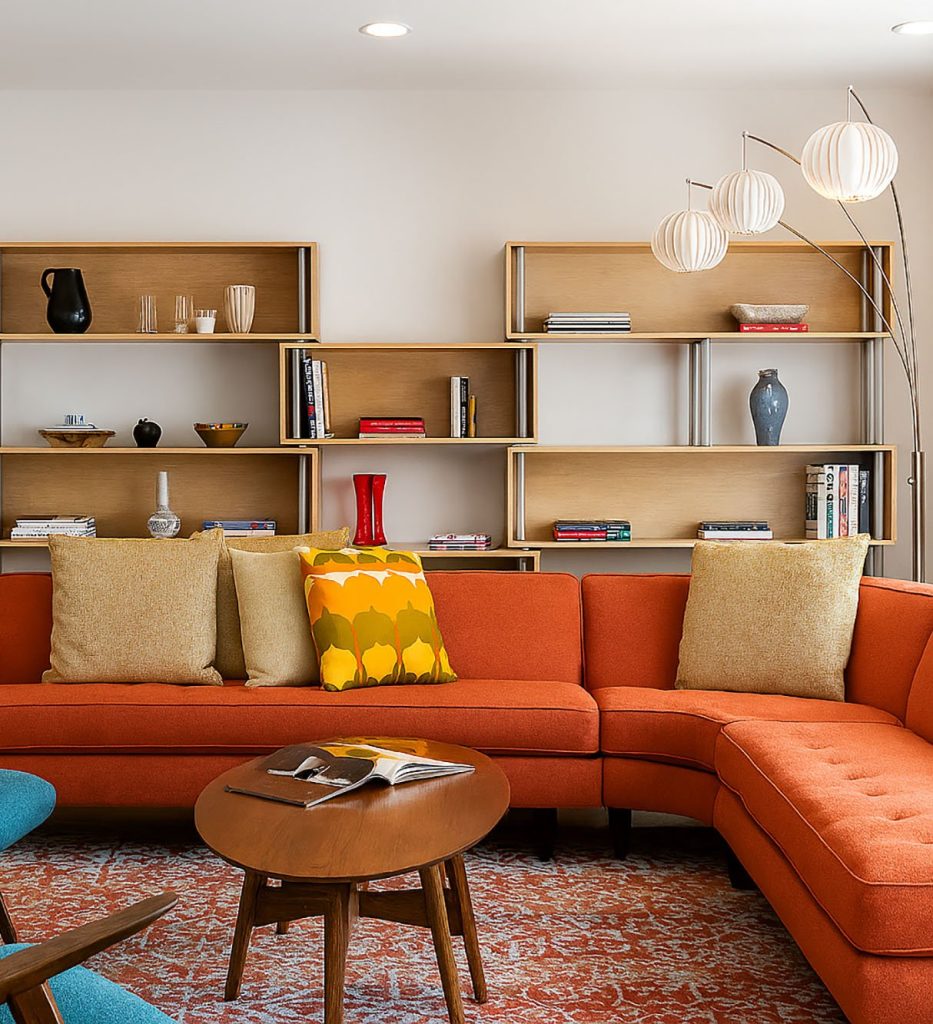
Mid-Century Modern design—an offshoot of Modernism—is still a client favorite. Warm woods, low profiles, and walls of glass create an easy elegance. In the Bay Area, Joseph Eichler brought this sensibility to the middle class with accessible, beautifully modern homes that blurred the line between indoors and out.
What Is Contemporary Design?
Contemporary design is not tied to a specific era. It draws from many influences—often including elements of Modernism—but adapts them for today’s lifestyles and tastes.
Contemporary spaces are often:
- Clean-lined and uncluttered
- Flexible and open to experimentation
- More eclectic than strict Modernism
- Responsive to new materials, technologies, and personal expression

The Takeaway
Modern design has a clear origin and philosophy. Contemporary design evolves with the moment. Both can be serene, elegant, and livable—it all comes down to what resonates with you.
Ready to Explore Your Design Style?
Whether you’re drawn to the quiet strength of Modernism or the fresh possibilities of Contemporary living, At Debra Winston Design, I’m here to help you discover a space that feels like home.


